Projects rarely break down when energy and resources are high. They break down in the quiet aftermath: key staff depart, funding shrinks, or original builders transition out. A project’s survival through these vulnerable gaps depends entirely on what was built into the foundation when times were good.
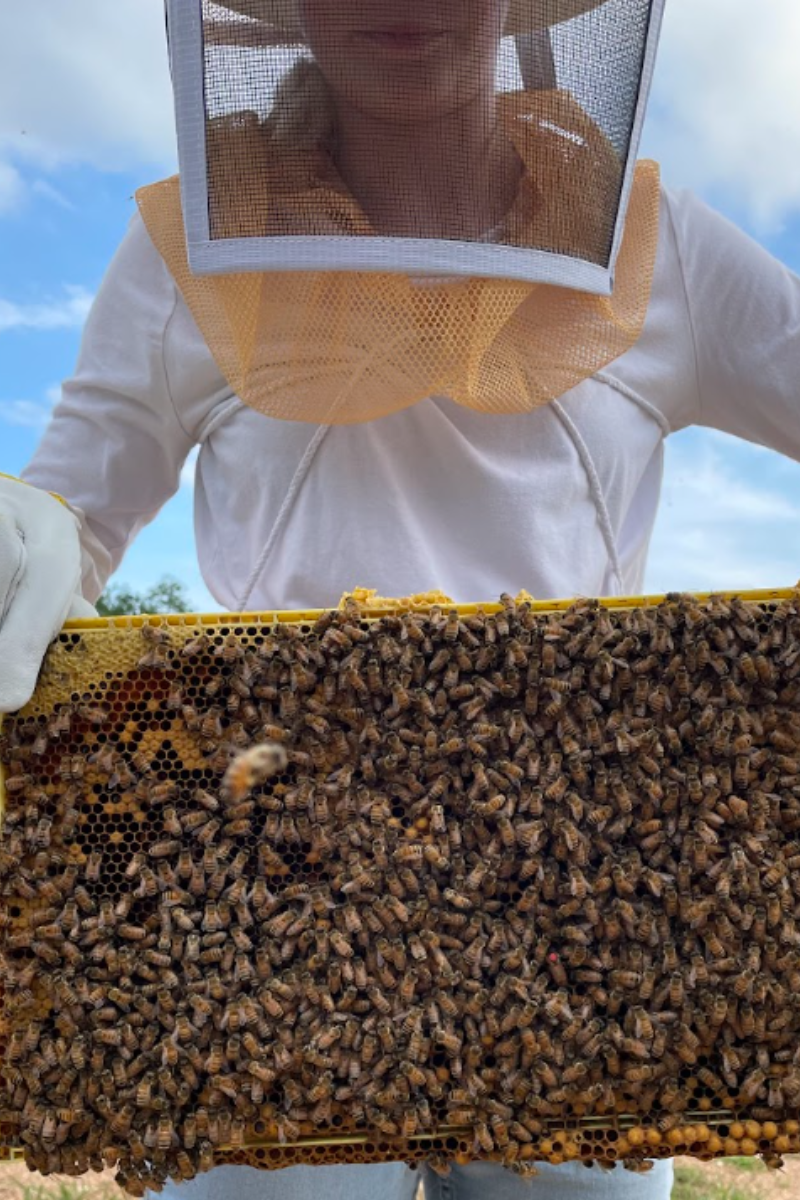
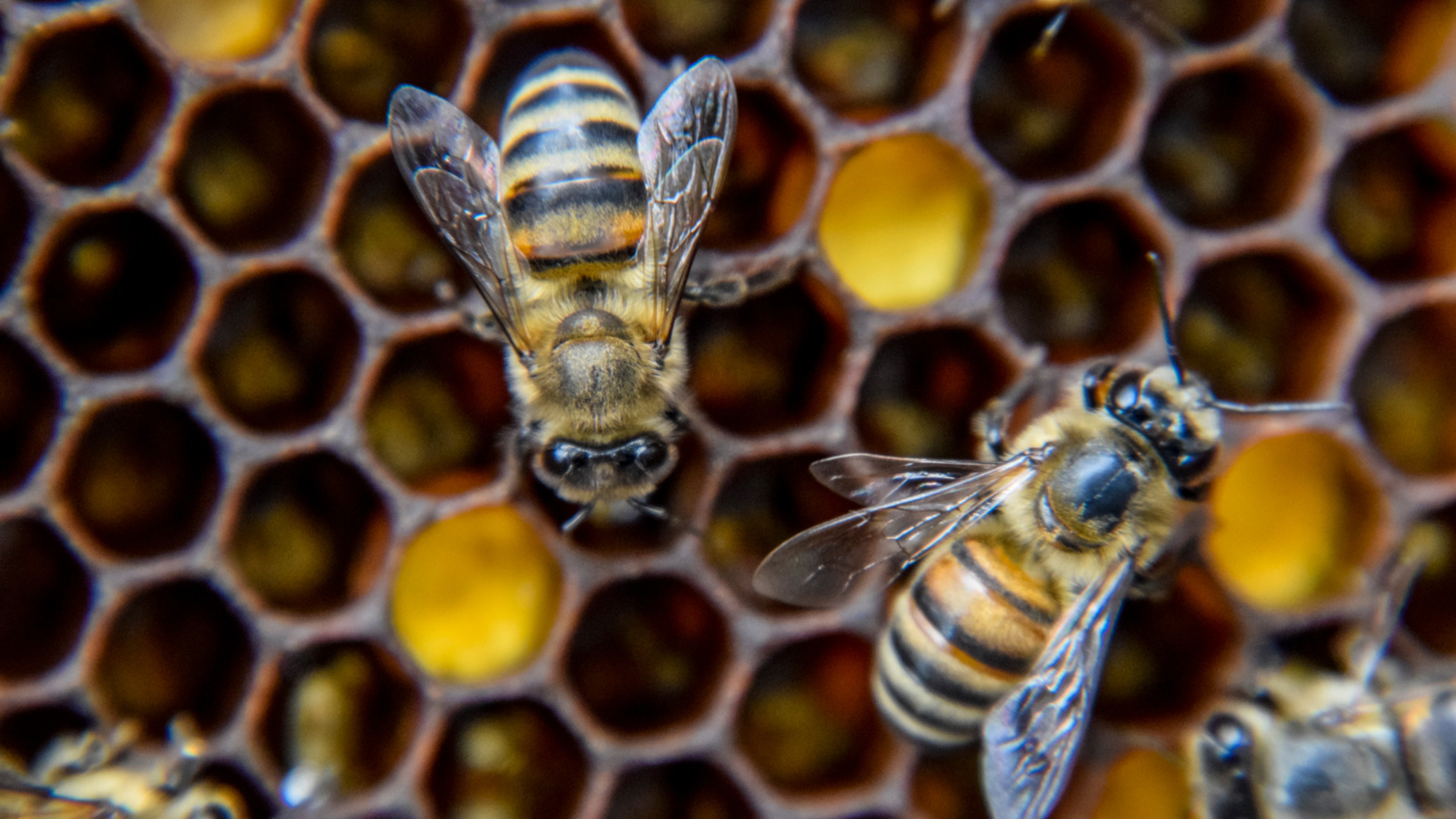
I was reminded of this during our family’s summer honey harvest. Since my daughter began keeping bees in 2023, the harvest has become an all-hands effort. Every year, a hive operates on a simple principle: it spends peak season storing everything it needs to survive when nothing is in bloom.
Four lessons from the hive apply directly to project work:
Do the groundwork while conditions are good
Check on the hive, and look for the mites
Don’t harvest before it’s ready
Take the surplus and leave the reserve
Build the foundation while conditions are good.
Bees gather honey in the summer because survival depends on it all winter. Project teams need the same discipline during quiet periods. Use the calm to:
Maintain a decision log: Capture the why behind key choices.
Eliminate single-person silos: Document critical workflows and access permissions.
Sanitize data early: Fix issues long before migration or executive reporting.
Strengthen key alliances: Invest in relationships before crisis strikes.
This work rarely feels urgent when times are good. Yet it is the single difference between a project that collapses during a sudden shift and one that stays grounded.
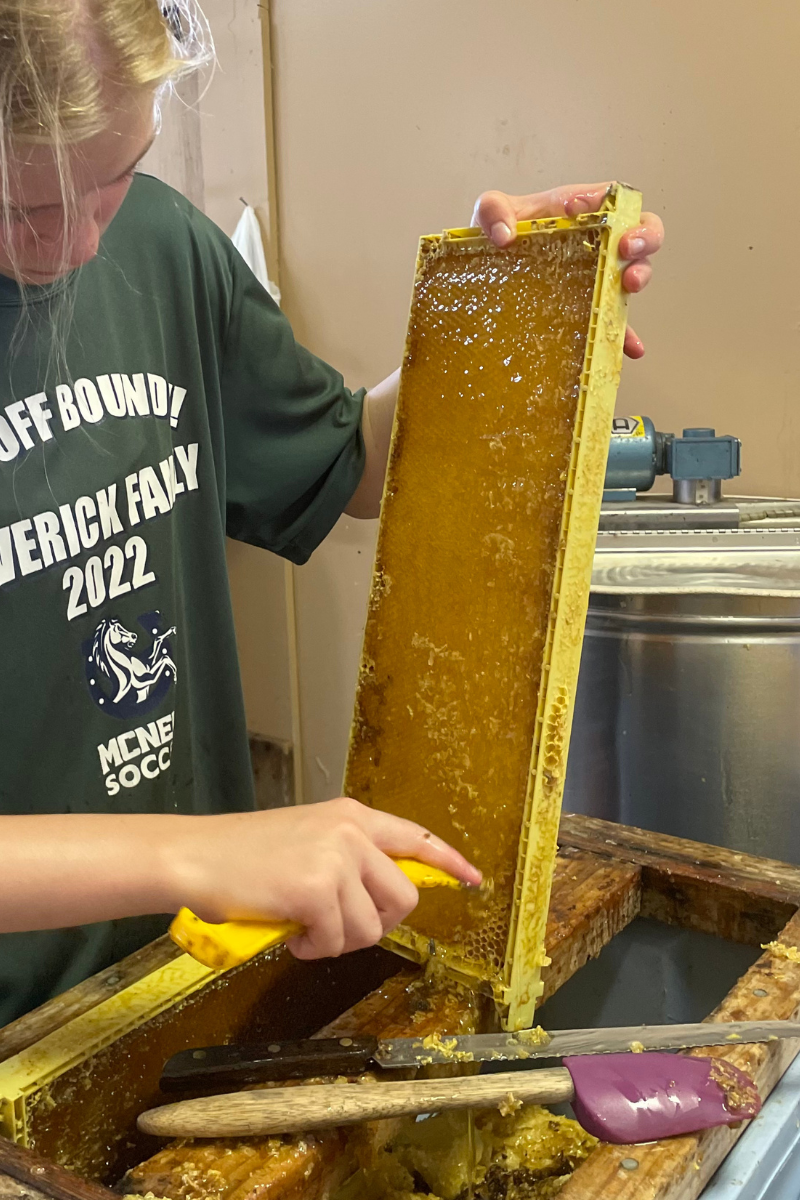
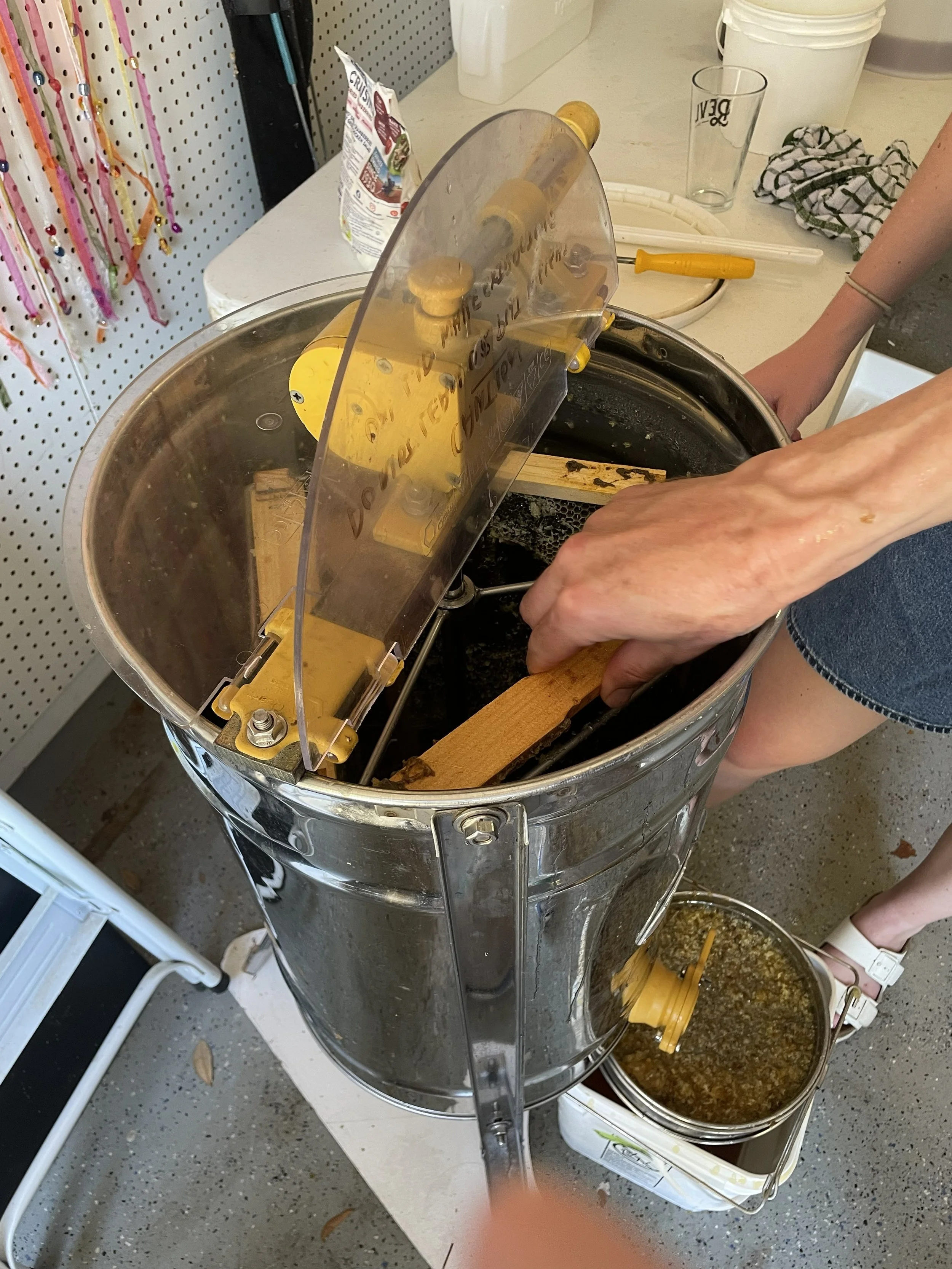
Early prep also lightens the load when big milestones arrive. On extraction day, we spin honey out of the frames. Because we were using a borrowed manual extractor rather than an electric model, I expected a bottleneck. It never happened. Clear roles and a refined process carried the work. We didn’t need the best tools; we needed a system everyone knew how to run.
Check on the hive, and look for the mites.
Looking after a hive means checking on it regularly and feeding it when it needs help. That is much like managing a project: check in with the team to see how their work is progressing and how you can offer support. Ask what they need, not just where they are on the task list.
It also means making sure there are no mites. A hive can look busy and healthy while a problem spreads inside it. On a project, that is anything festering quietly:
An unresolved disagreement between two groups
A deadline everyone knows is slipping but nobody has raised
A decision that keeps getting put off
Left alone, problems like these can cause a project to fail, or a hive to die. They are much easier to deal with early.
Don’t harvest before it’s ready.
Bees cap the cells of honeycomb with a thin layer of wax when the honey inside is ready. Beekeepers wait for that signal, because honey taken early isn’t ready and can spoil.
Projects have a similar signal, and it is easy to ignore. A launch date creates pressure to go live whether or not the organization is ready. Before you set one, agree on what “ready” means:
The configuration and data have been thoroughly reviewed and tested
The people who will use the system have been trained and are prepared for the change
Someone owns support after launch
A decision-maker has agreed on what would delay go-live
A system that works technically but isn’t ready for the people using it is an early harvest.
Take the surplus and leave the reserve.
A good beekeeper takes only what the colony can spare, and leaves what it needs to get through winter. Teams need a reserve too. Plan capacity with room in it, and build in 15-20% contingency for time and budget so one surprise doesn’t derail the project. A team scheduled to the last available hour has nothing left for what goes wrong.
Sharing the load is part of the reserve. During the extraction, the four of us took turns and shifts doing different jobs. We also invited friends over to see what we were doing and explained each step as we went. On a project, rotating tasks keeps any one person from carrying too much. Walking stakeholders through what is happening keeps them interested and informed.
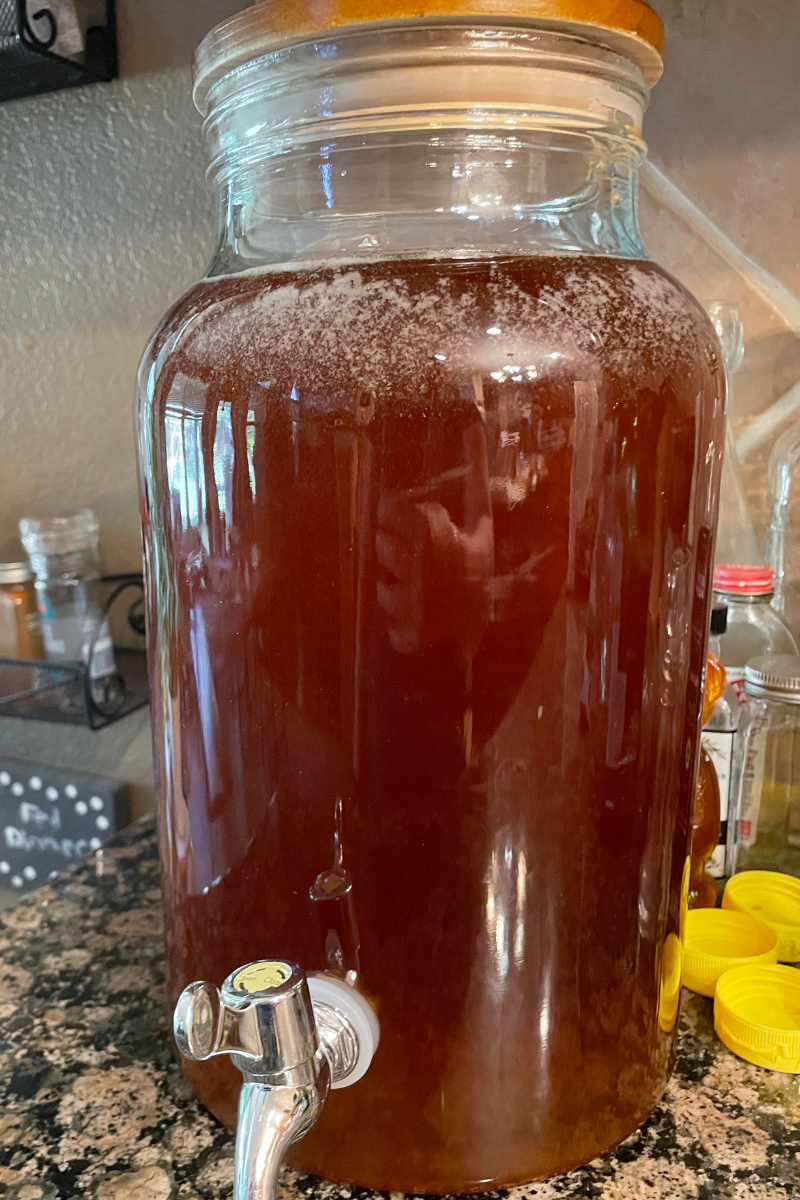
In the end, we extracted 150 pounds of honey this year and continue to maintain the hive ahead of the winter season!
If you’re heading into the peak season of your project and need an extra hands to lighten the load and build a strong foundation , contact us for a conversation about your project. We would be happy to discuss honey as well!